_FB_2018-Icons-finalized-cleaned-up_new_FB_2018-Icons-finalized-cleaned-up_newGroup 9
Scroll to top

When are older vehicles worth buying?

Inventory 3 min read

Aged inventory isn’t always bad, but it can cost you. Learn how to manage older inventory to your advantage.

Your guide to older or high-mileage inventory

Aged inventory sometimes gets a bad reputation, but that doesn’t mean buying an older unit is a mistake. Some aged inventory can still turn a tidy profit as long as you understand when and why to buy.

The downsides: margin and attention

The longer a car sits, the more it costs you. Your cash is tied up in idle inventory and you risk missing out on new buying opportunities. Plus, older inventory is always at risk of losing value.

But it’s not just about the numbers. Every piece of inventory on the lot also costs time. You may have to deal with more low-quality leads, sink more money into repairs, or negotiate more aggressively than you would with a newer vehicle.

The upside: opportunity for the right audience

Not every buyer wants a perfect car. Well-positioned units can attract budget-conscious buyers, fill gaps in your inventory, and create the opportunity for a fast turn.

The key is matching the vehicle to the right buyer. That comes down to good marketing and strategic thinking.

Here are a few potential customers to keep in mind:

Parents buying for students

  • Look for popular vehicles that make it easy for a cautious parent to say yes.
  • Choose units with a clean story and no major accidents or overhauls.
  • Buy before back-to-school demand hits, especially if there’s a university nearby.

Price-sensitive shoppers

  • When tax refunds hit, these buyers may be looking to move into a functional vehicle.
  • Keep your listing simple, focusing on reliability and functionality.
  • Margins on these sales are lower, but you may be able to sell several units quickly.

Conscious commuters

  • When gas prices rise, commuters are tempted by higher-efficiency vehicles.
  • Keep an eye on the news — changes in policy, like EV credit availability, can affect demand.
  • Reliability is a big factor, so think about potential repair costs, especially EV batteries.

Keep your inventory moving and profitable

The list of buyers above isn’t comprehensive. It may vary from place to place depending on your location. But every independent auto dealer knows that you make money on the buy just as much as on the sale — as long as you control your costs.

A huge part of that comes down to financing. That’s why CarBucks gives dealers https://usecarbucks.com/floor-plan-financing/predictable floor plan costs with capped fees, no curtailments, and no surprises. Our #1 priority is helping you protect margin and keep cash moving.


Share:

You may be interested in...

Image for tile. How to strategically choose inventory Everyday decisions make or break your dealership As an independent dealer, you make buying decisions constantly. Stopping by the local auction may be part of your routine, but those routine inventory decisions can make or break your dealership. Many dealers hit the lanes without a clear plan. Here’s how to fix that. Start by leveraging your own data You probably think you know what sells on your lot, but have you run the numbers? Which makes and models sell the fastest? Are there pricing thresholds where units move more quickly? Which vehicles generate the strongest margins? Once you understand where your money comes from, you can double down on what already works. Understand time to turn versus margin Some vehicles turn quickly but carry thin margins. Others sit longer but generate more profit. Neither approach is inherently better, provided it keeps cash flowing and aligns with your dealership's goals. Depending on your market, it may make sense to focus on higher volume and lower ticket prices, or fewer vehicles at higher price points. Think about total cost, not just purchase price Your actual cost extends far beyond what you pay at auction. Consider: Financing costs Lot space and holding time Reconditioning expenses Opportunity costs Every time you attend an auction, you should have: Consistent evaluation standards Clear criteria for what to buy and what to pass on A plan for adjusting your strategy over time Ready to start making moves? When you know what it costs to buy and hold inventory, you can replace instinct with strategy. Traditional floor plan financing can make the math complicated, but it doesn't have to be. That's why CarBucks gives dealers clear, predictable pricing — no curtailments, no audit fees, and no surprises — so you can buy with confidence and protect your margins. If you want to make buying new inventory easier than ever, https://usecarbucks.com/apply/it only takes a few minutes to apply. 2 min read
Image for tile. Understanding seasonal auction cycles Find better buys at better prices Buying at auction isn’t just about what you buy — it’s when you buy it. Inventory flows in cycles. Prices rise and fall depending on the time of year and the quantity of supply. Dealers who understand common patterns can make more money on every purchase and maintain a comfortable margin. Here’s how to think strategically about your next auction purchase. Why auction prices change Auction pricing isn’t random. It’s driven by consistent variables. Seasonality: Tax season, cold weather, and summer temperatures can all affect pricing. Trade-in cycles: New car sales push more used inventory into auctions. Rental or fleet drops: Large batches of inventory can temporarily lower prices. The trick is to think strategically about what you're buying and when. But most importantly, you need to understand your margins. It may be worth eating higher financing costs on buying a low-price convertible in winter, for example, if you can recoup the money in spring. The biggest mistake dealers make Most dealers shop the lanes based on immediate need. But instead of thinking I need to buy three cars this week, you can ask more strategic questions that don't put you fully at the mercy of market pricing. These are the kinds of questions you need to ask before buying a vehicle at auction: What market segments are cooling off? Where is supply about to increase? Which cars will be cheaper in 30 days versus today? That single strategic shift can help you protect your margin on every sale, saving you thousands of dollars over time. Buying around the cycle Every extra dollar you pay at purchase is a dollar that gets taken from your margin. Every day that inventory sits on your lot impacts your profit. You don’t need to predict the market perfectly. You just need to stay disciplined and think a few months into the future before pulling the trigger on an auction purchase. Buy ahead of demand spikes Stay flexible on makes/models Watch lanes with heavy volume Understand what sells on your lot Auction cycles usually reward patience and strategy more than being quick on the draw. Remember to go into every auction with a plan and don't be afraid of missing out. Ready to upgrade your strategy? Understanding auction cycles helps you buy smarter, but controlling costs while inventory sits idle is just as important. That's why smart floor plan financing is crucial for independent dealers. CarBucks offers financing built by dealers, for dealers — with simple, predictable pricing. No curtailments, no audit fees, no nonsense. Apply today to get started. 3 min read
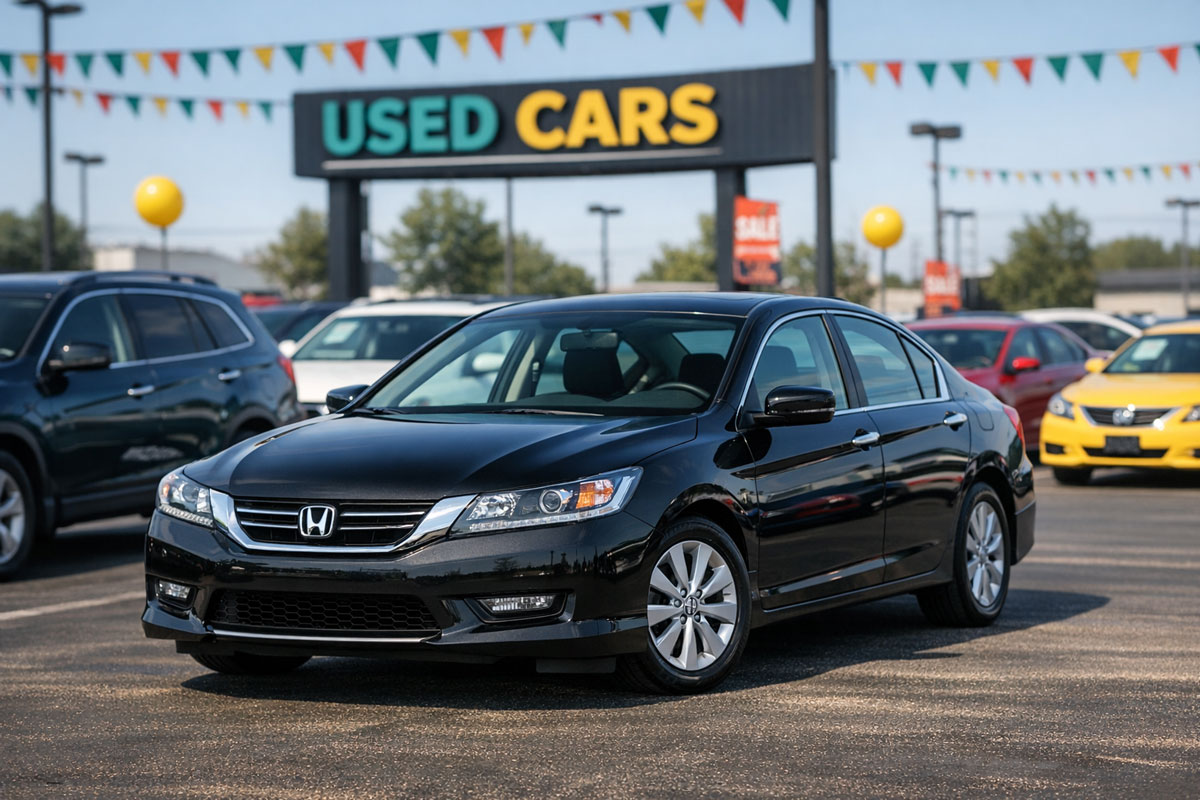
A black sedan car on a used car lot. A dealer’s guide to photos & listings for aged inventory 5 tips for moving inventory faster The secret to moving aged or high-mileage inventory isn’t marketing hype. It’s about setting clear customer expectations. Buyers of used vehicles care less about polish and more about value — the condition of the car, the cost of potential repairs, and the trustworthiness of the dealer. Here’s how you can optimize your online listings to build trust, prequalify leads, and sell units faster. 1) Don't be afraid of imperfection Customers expect a certain amount of wear on a used car. Being upfront about the dings and dents builds trust and saves time with unqualified buyers. Your listings should always include photos of: All four exterior angles Interior (front, rear, dash) Odometer and VIN Tires, wheels, and engine bay If there’s any noticeable damage, show it clearly. Losing a lead is better than losing trust. 2) Put the important details first Buyers skim. Lead with what matters. “Local trade with 156k miles. Tires are new, brakes replaced last year. Interior is clean with light wear on the driver seat. Small dent on rear passenger-side quarter panel.” Focus on details that affect trust, cost, and drivability: Interior wear: seats, cracks, stains, odors Exterior flaws: dents, scratches, rust Mechanical condition: repairs or known issues 3) Talk about maintenance, not just features On high-mileage vehicles, service history sells. Include details like: Recent repairs New tires, brakes, or battery Major maintenance already completed This builds trust and reduces price objections. 4) Keep it short, simple, and easy to read Clear is better than clever. Use this format: Quick condition summary Specific wear + maintenance details Why it’s a strong value Your job: Help the right buyer say yes If you're looking to move inventory faster, talk to our team at CarBucks. We offer floor plan financing built by dealers, for dealers — with no curtailments or audit fees. 2 min read
CarBucks main logo
Privacy Overview

This website uses cookies so that we can provide you with the best user experience possible. Cookie information is stored in your browser and performs functions such as recognizing you when you return to our website and helping our team to understand which sections of the website are the most popular and useful.